Heating system maintenance in the fall is the most reliable way to prevent emergency no-heat calls once cold weather sets in. JDB Service Group provides scheduled fall heating maintenance for senior living communities, behavioral health centers, and human services facilities across southeastern Pennsylvania. This prep plan lays out what to inspect, when to schedule, and how a planned approach keeps buildings warm through the season.
For a facility manager overseeing multiple buildings, a no-heat call in January is more than an inconvenience. It affects resident safety, regulatory compliance, and staff workload, all at once. The work that prevents it happens now, in the fall, on a schedule you control rather than one the weather dictates.
Why Heating Systems Fail First in Cold Weather
Most heating failures do not begin on the coldest night of the year. They begin months earlier as small problems that go unnoticed while the equipment sits idle through summer. When the system finally runs at full load for the first time, those weaknesses surface at once.
Dirty burners, worn igniters, failing flame sensors, blocked condensate lines, and clogged filters all reduce efficiency long before they cause a shutdown. A system that limped through last winter is often the one that fails this winter. Fall heating maintenance finds these issues while there is still time to correct them on a planned basis.
What a Heating System Tune-Up Covers
A heating system tune-up is a documented inspection and service of the equipment that keeps a building warm. JDB Service Group performs tune-ups on furnaces, boilers, and rooftop units, checking the components most likely to fail under seasonal load. The goal is to verify each unit before demand peaks, not to react after it drops offline.
Combustion and Heat Exchange
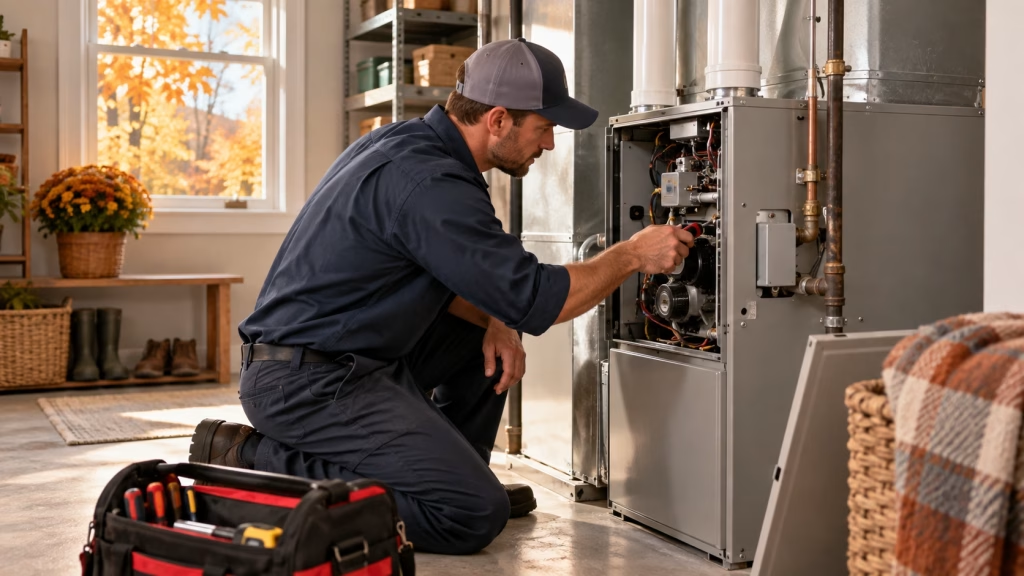
Technicians inspect burners, clean them where needed, and check the heat exchanger for cracks or corrosion. Combustion readings confirm the unit is burning cleanly and safely. A cracked heat exchanger is both an efficiency problem and a safety concern, which is why it belongs at the top of any furnace maintenance list.
Ignition and Safety Controls
Igniters, flame sensors, and safety switches are tested to confirm the system starts reliably and shuts down correctly when it should. These low-cost parts cause a large share of no-heat calls when they degrade. Catching a weak igniter in October is a scheduled repair. Catching it in January is an emergency.
Airflow, Filters, and Distribution
Filters are checked and replaced, blowers and belts are inspected, and airflow is verified across the system. Restricted airflow forces equipment to work harder, raises energy use, and shortens component life. For boiler systems, technicians check circulation, pressure, and zone controls that distribute heat through the building.
Thermostats and Controls
Thermostats and building controls are tested to confirm they read accurately and cycle the equipment on schedule. In facilities with programmable or zoned controls, verifying setpoints in the fall prevents rooms from running too cold or too warm once occupancy patterns change for the season.
A Fall Prep Plan for a Facility Portfolio
Preventing heating system breakdowns across several buildings takes a schedule, not a scramble. JDB Service Group structures fall heating maintenance as a planned sequence so every unit is verified before cold weather arrives. The plan below works for a single building or a portfolio of institutional facilities.
- Inventory the equipment. List every heating unit by building, type, age, and location. A current inventory tells you what needs service and helps flag units nearing replacement.
- Schedule tune-ups early. Book service between September and early November, before the seasonal rush. Early scheduling secures technician availability and leaves room to order any parts a unit needs.
- Prioritize critical and aging units. Service the equipment serving resident rooms, medical spaces, and older systems first. These carry the highest risk if they fail.
- Document every unit. Record findings, parts replaced, and any recommended follow-up for each unit. Documentation supports compliance reviews and builds a maintenance history you can plan against.
- Plan repairs before they become emergencies. Address the worn parts and marginal readings found during tune-ups now, on a scheduled basis, rather than paying emergency rates in January.
For organizations that would rather not manage this cycle building by building, JDB structures it into an ongoing program. Our preventive maintenance programs put heating inspections on a recurring calendar so the fall prep plan runs the same way every year without a manager having to organize it from scratch.
How Planned Maintenance Reduces No-Heat Calls
Reactive service and planned service produce very different winters. A reactive approach waits for a unit to fail, then pays a premium for emergency response during the busiest weeks of the year. A planned approach finds the same problems in the fall and resolves them on a normal schedule.
JDB Service Group coordinates heating maintenance through dedicated account management and structured work-order systems, so a facility manager overseeing multiple sites has one point of contact and a clear record for every building. That coordination is what turns a list of aging furnaces into a portfolio that gets through the season without a midnight no-heat call.
Related Services
Heating maintenance is one part of keeping a facility running through the year. JDB also handles HVAC servicing across the seasons and coordinates broader commercial property maintenance for institutional facilities. Managers comparing vendors can also read our guide to what a facilities maintenance contract should cover.
Frequently Asked Questions
When should heating system maintenance be scheduled before winter?
Heating system maintenance should be scheduled in early to mid fall, before the first sustained cold weather. JDB Service Group recommends completing tune-ups across a facility portfolio between September and early November so equipment is verified before demand peaks. Scheduling early also secures technician availability before the seasonal rush across southeastern Pennsylvania.
What does a heating system tune-up include for a commercial facility?
A heating system tune-up includes inspecting and cleaning burners, checking heat exchangers, testing ignition and safety controls, verifying thermostat operation, and confirming airflow and combustion readings. JDB Service Group performs these checks on furnaces, boilers, and rooftop units across institutional facilities, then documents findings so facility managers have a record for each building and unit.
How does fall heating maintenance prevent emergency no-heat calls?
Fall heating maintenance catches worn parts, dirty burners, failing igniters, and blocked airflow before they cause a full shutdown in cold weather. JDB Service Group identifies these issues during scheduled tune-ups and addresses them on a planned basis, which reduces the reactive no-heat calls that spike when equipment is pushed hard for the first time each season.
Who is responsible for heating maintenance in a senior living or behavioral health facility?
Responsibility usually sits with the facility manager or director of operations, who coordinates a maintenance vendor to service the equipment. JDB Service Group works directly with facility managers at senior living communities, behavioral health centers, and human services organizations across southeastern Pennsylvania, handling scheduling, on-site work, and reporting through dedicated account management.
Schedule Fall Heating Maintenance
Get your heating systems verified before the first cold snap. JDB Service Group coordinates fall heating maintenance for institutional facilities across southeastern Pennsylvania.
Call (215) 885-2544 or email info@jdbservicegroup.com to request a consultation.