A summer home maintenance checklist for a senior living community is not the same as one for a single-family house. You are managing cooling for people who feel heat differently, walkways that have to stay safe in wet weather, and systems that a surveyor may ask to see records for. One missed item can turn into a resident complaint, a citation, or an emergency call during the hottest week of the year.
This is a practical summer maintenance checklist you can adapt to your building. It is organized around the four things that matter most in a senior community during summer: keeping residents cool, keeping them safe, keeping equipment running, and keeping your records ready for a survey.
Why Summer Is Different In A Senior Living Community
Older adults are more sensitive to heat than the general population. Many take medications that affect how the body regulates temperature, and some cannot always tell staff when they feel overheated. That raises the stakes on every part of your cooling system, from the central plant down to the thermostat in a resident’s room.
Summer also brings storms, humidity, and long stretches of heavy AC use. Those conditions wear on equipment and create safety hazards that were not there in spring. A written checklist keeps the whole team working from the same list instead of relying on memory or catching problems only after a resident notices.
The Cooling Checklist: Keep Every Space At A Safe Temperature
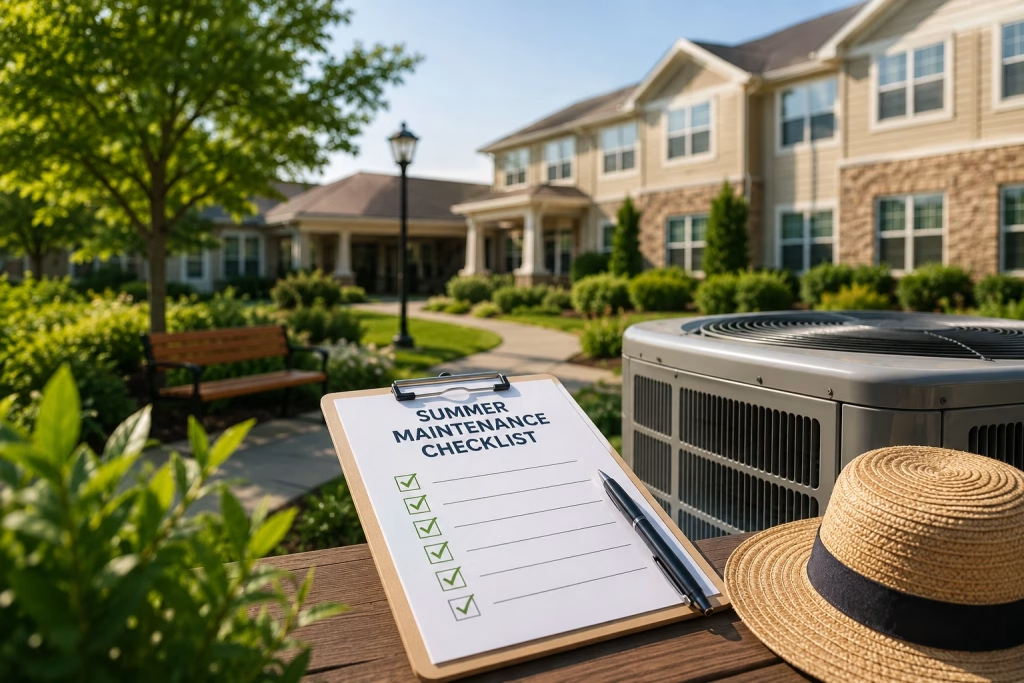
Cooling is the part of your summer maintenance checklist you cannot afford to get wrong. Work through these before the first heat wave, then repeat the quick checks monthly through the season.
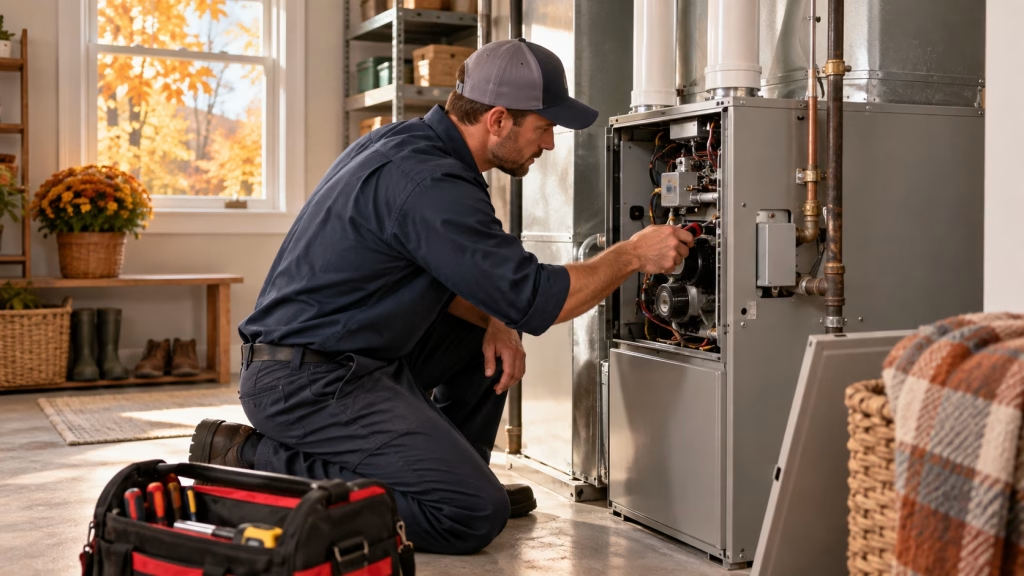
- Have the full HVAC system serviced by a technician before summer starts, including a check of refrigerant levels, coils, and compressors.
- Replace or clean air filters, then set a schedule to keep replacing them through the season. Dirty filters make units work harder and cool less.
- Test the thermostats in resident rooms, common areas, dining rooms, and activity spaces. Confirm each one reads and holds the set temperature.
- Check that cooling reaches the spaces that tend to get missed: sunrooms, hallways with west-facing windows, upper floors, and rooms near the kitchen.
- Clear debris, leaves, and overgrowth away from outdoor condenser units so they can breathe.
- Confirm your backup cooling plan works. Know where your portable units and fans are, that they run, and who moves them if a zone loses cooling.
If your community relies on window units or a mix of systems, add a line for each unit rather than treating cooling as one item. The room that gets overlooked is usually the one without central air.
The Safety Checklist: Reduce Hazards That Show Up In Summer
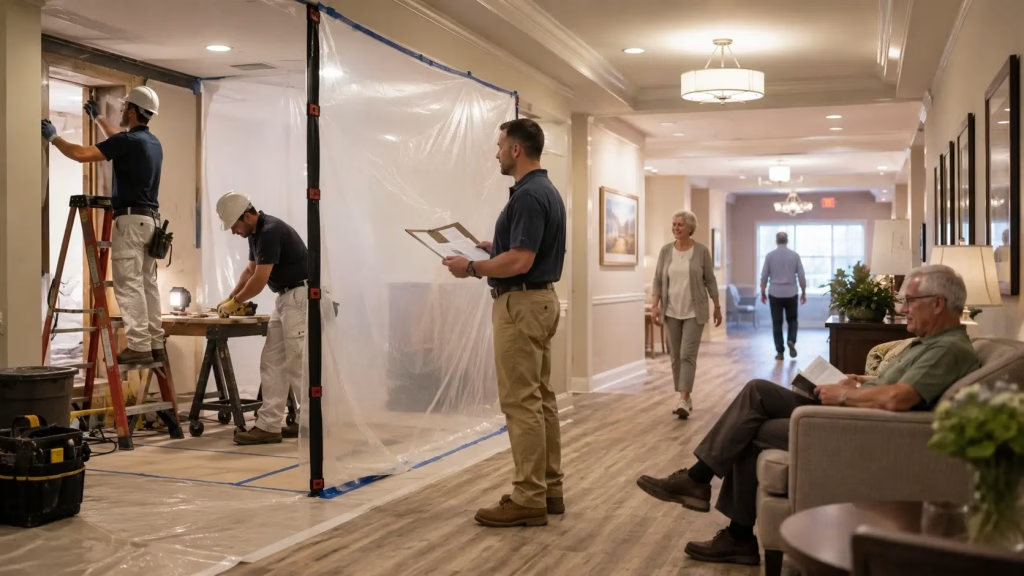
A summer home safety checklist for seniors focuses on the hazards that heat, water, and heavier outdoor use create. Walk the property with this list rather than checking it from an office.
- Inspect walkways, patios, and entrances for cracks, uneven spots, and trip hazards. Summer foot traffic and storm runoff expose problems that were hidden.
- Check exterior lighting along paths, parking areas, and entrances. Longer evenings still need working fixtures for early mornings and dusk.
- Test that outdoor handrails are secure, and that shaded seating and rest areas are stable and clean.
- Look at drainage around the building. Standing water after a storm is both a slip hazard and a sign of a grading or gutter problem.
- Confirm pest control is current. Summer brings more insects and rodents, which become a resident-safety and a survey issue.
- Check window screens and door seals so residents can get fresh air without letting pests in.
- Review your generator and emergency systems. A summer storm that knocks out power is when you find out whether the backup runs.
The Equipment Checklist: Catch Small Problems Before They Become Work Orders
Heavy summer use finds the weak points in a building. These checks keep a small issue from turning into an after-hours emergency.
- Inspect the roof and flashing after the first big storm. Summer rain finds gaps that a dry spring never revealed.
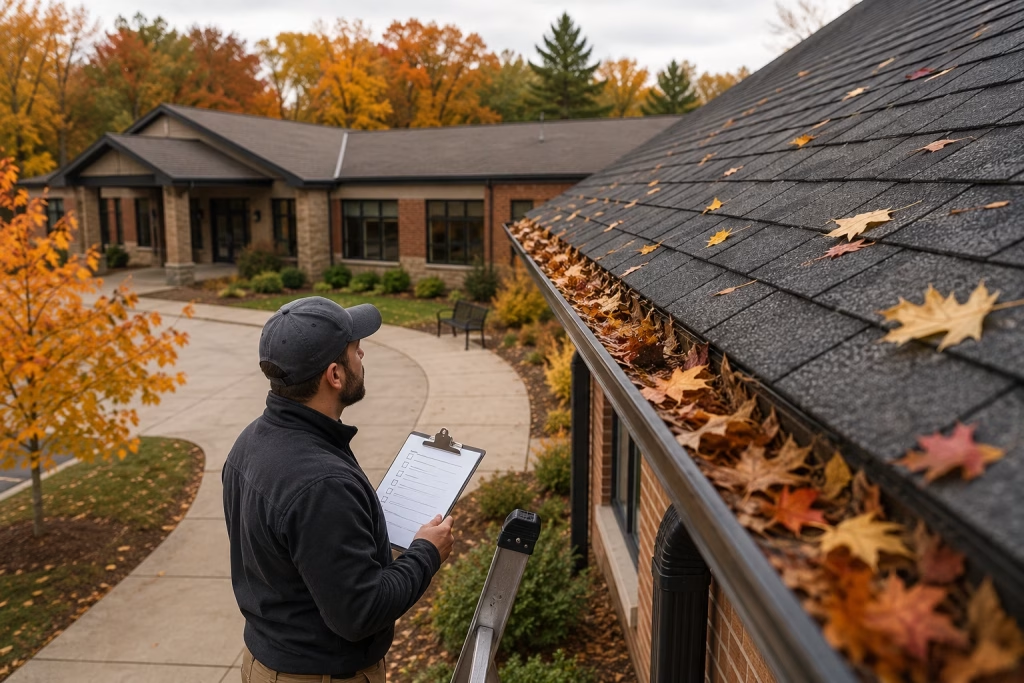
- Clean gutters and downspouts so heavy rain drains away from the foundation instead of pooling at entrances.
- Check plumbing for leaks, and test that hot water systems are set to a safe temperature. Scald risk is a real safety and survey concern in senior communities.
- Look over kitchen and laundry equipment, which runs hard and generates heat that adds load to your cooling.
- Test smoke detectors, carbon monoxide detectors, and fire suppression systems on your regular schedule. Summer is not a reason to skip them.
The Survey-ready Checklist: Keep Your Documentation Current
In a senior living community, doing the work is only half of it. You also have to show that you did it. Surveyors look for records, not just clean walkways.
- Keep a dated log of every inspection and service on this checklist, with who did it and what they found.
- File the reports and invoices from any outside technician who serviced your HVAC, generator, or fire systems.
- Track every work order from open to close so nothing sits unresolved.
- Keep your preventive maintenance schedule written down and current, not carried in one person’s head.
- Note any repair you deferred, why, and when you plan to address it. A documented plan is far better than a gap.
When your records line up with your checklist, a survey becomes a matter of pulling a file rather than scrambling to reconstruct what happened.
How To Put The Checklist To Work
A checklist only helps if someone owns it. Assign each section to a person, set the dates, and decide how findings get logged and turned into work orders. Walk the property at the start of the season, then keep the cooling and safety checks on a monthly rhythm through the summer.
The communities that stay ahead of summer are the ones that treat maintenance as a schedule, not a reaction. That is the difference between catching a failing compressor in June and losing cooling during a July heat wave.
This is the kind of ongoing work we handle for the senior living communities and human services organizations we serve. We have been keeping properties in southeastern Pennsylvania running since 1998, which means one team that knows your building, tracks the work, and keeps the records you need when a surveyor asks.
Frequently Asked Questions
When should we start our summer maintenance? Begin in late spring, before the first heat wave. HVAC service, filter changes, and a full property walk are worth completing while temperatures are still mild, so any repairs are done before you need the systems running hard.
How often should we run these checks through the summer? Do the full checklist once at the start of the season. Then repeat the cooling and safety checks monthly, since those are the items most likely to change as equipment runs hard and weather shifts.
What summer maintenance items do surveyors look at most? Surveyors commonly ask about cooling and safe temperatures, water temperature and scald risk, working fire and life-safety systems, and current documentation for all of it. Keeping dated records of every inspection and service is what makes those questions easy to answer.
Can one company handle both the maintenance and the records? Yes. Working with a single maintenance partner means one team that knows your building, keeps the work on schedule, and logs what was done so your documentation stays current for surveys.
Get Your Community Ready For Summer
JDB Service Group has kept properties across southeastern Pennsylvania running since 1998, and we know what senior living communities need to stay cool, safe, and survey-ready through the season. Learn more about our team, or reach us out to talk through a summer maintenance plan for your community.